
 >
>  > Crete >
 Selected books about Crete
Not claiming these are the best or even the most vital to read - just that I found each to be interesting and illuminating.
> > Crete >Selected books about Crete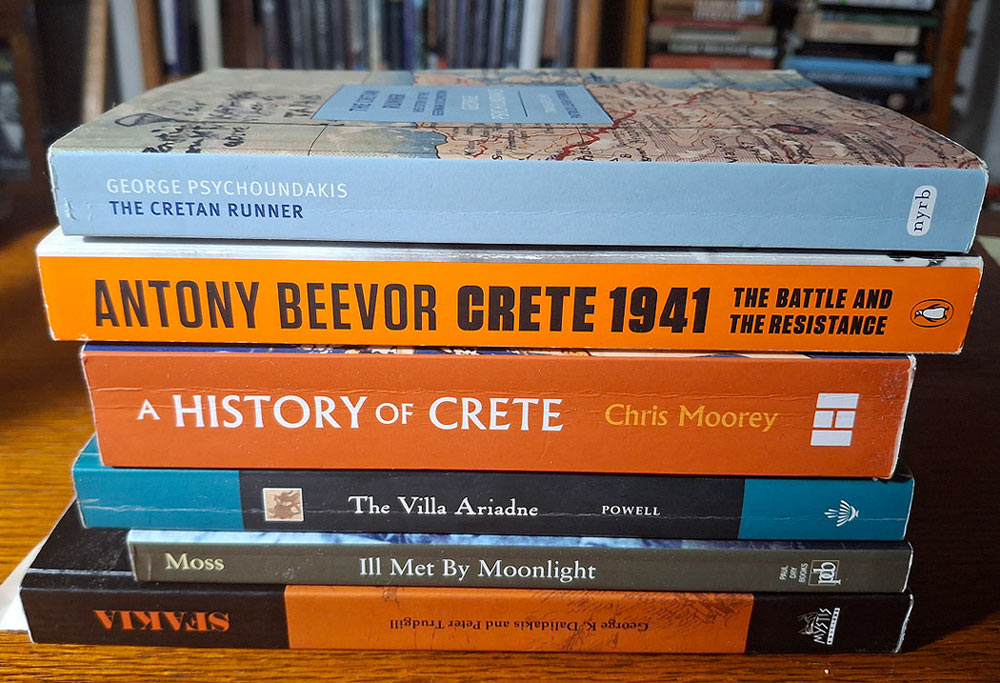
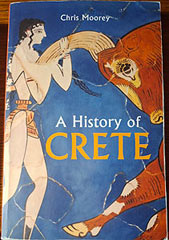
A general history, starting with mythology and going into the post-WWII era through to what he calls the "final invasion": The tourists. Discusses culture, religion and other topics. Good intro to the island for serious folk. There apparently are not that many general histories of Crete in English.
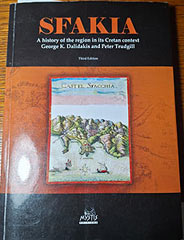
This is a history of a region of Crete, a particularly wild and rural area on the south coast. However, it situates the area in the larger context of the history of Crete. Found this in a bookstore in Chania, so not sure how available it is.
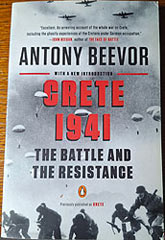
The German invasion of Crete and the bungled (by senior leaders) of planning for the island's defense make a compelling story by the well-known WWII historian. The image of Greek villagers, farm tools in hand, led by the village priest holding the cross, will give you some idea of how serious Cretans took defending their land. Much bravery by rank-and-file troops trying to make the best of it. Compelling story.
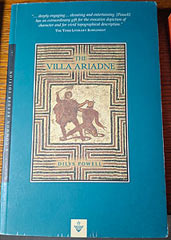
The villa Ariadne was a house built by Sir Arthur Evans and was his home when excavating Knossos. This account, by one who lived for some years in Crete and was party to the 'scene' around the excavations records much history of a very significant 'dig' and those who worked there. Evans' reputation has declined in recent years and there certainly is a whiff of British snobbery (familiar to me from my time in Kenya) but an important record nonetheless.
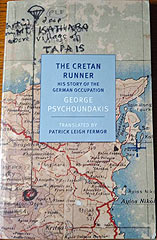
During WWII an active resistance movement existed all over Crete. Many Greeks were involved in hiding allied soldiers, conveying information and the like. A few British agents, among them several classical scholars , lived in caves and remote places and organized resistance and operated radios. Knitting them together, were runners and this is the story, in his own words, of one of the most epic. Such courage is a lesson to all of us.
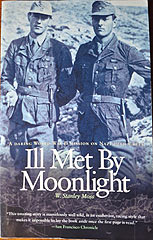
"A tremendous jape." If you saw this in a movie, you'd think, thrilling, but not very likely. But it is the true story of how a very small band of Brits and Greeks kidnapped a German general on Crete and ushered him across the island and into captivity. It's told by one of the people who did it (Billy Moss) and has an afterward by another who did it (the more well known Patrick Leigh Fermor).